




Life is Strange: Reunion, supposedly the final chapter of the story that began in 2015, had a tough job ahead of it. The previous entry, Double Exposure, was a complete mess, turning what used to be a story about Max Caulfield’s powers and her choices into something that felt like the prelude to a mutant war. Not even part of the most die-hard fans fully bought into it.
If it was hard to explain why Deck Nine made those choices, it was even harder to believe they could dig themselves out of the hole they created.
The backlash pushed Reunion to walk back almost everything they tried to introduce. Is that good? Barely. The game rolls things so far back that it even undoes elements established in the original, relying on narrative conveniences straight out of B-movies and amateur writing. Very few moments feel worthwhile—and even with multiple endings, the antagonists’ motivations make it feel like just another chapter full of loose ends and little inspiration.
This review has SPOILERS ahead.
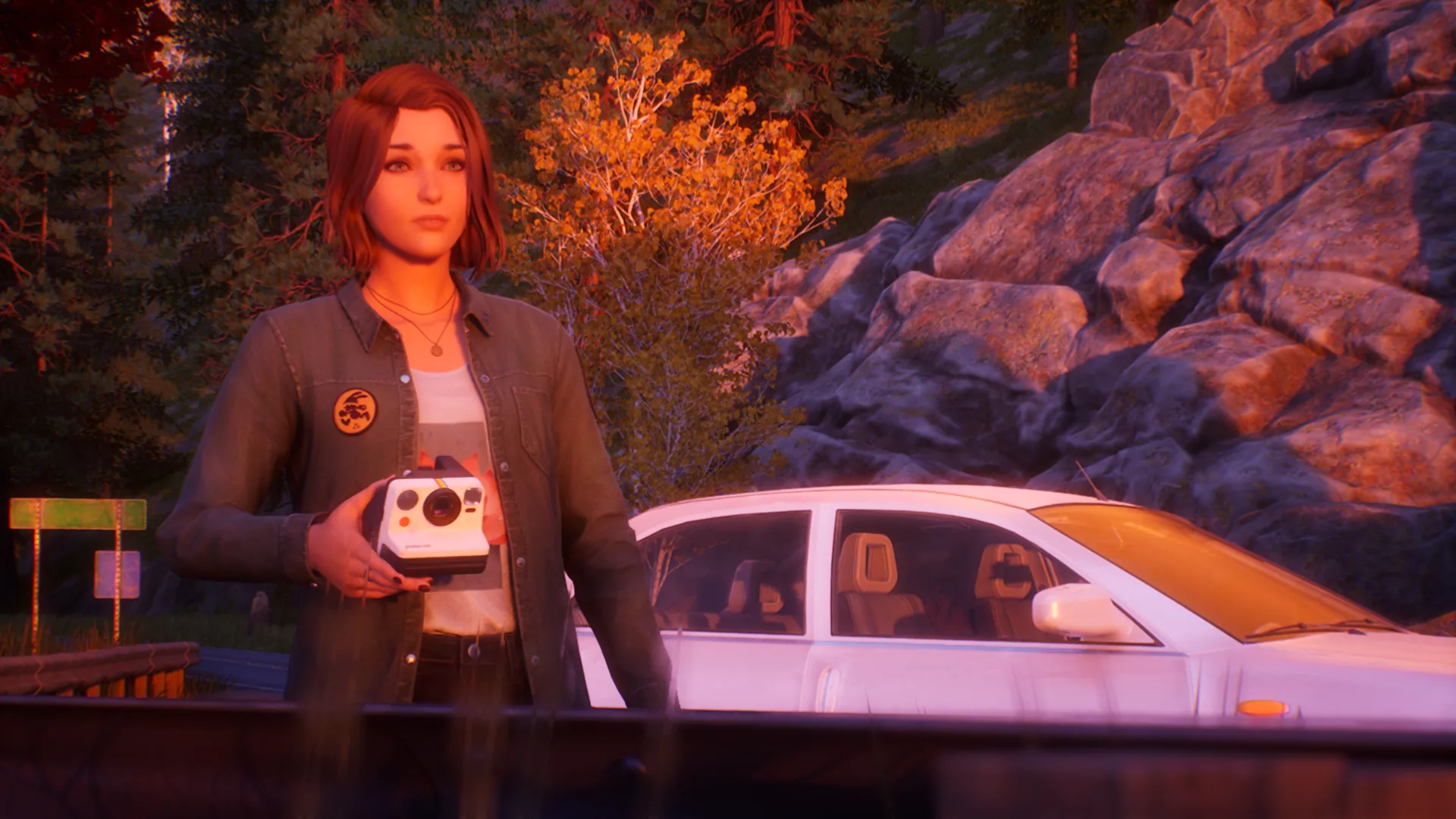
You wanted Chloe? Fine. Here she is.
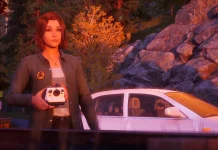
Reunion picks up right where Double Exposure left off: Max Caulfield is the woman who controls—or kind of controls—time. Still a photography professor at Caledon University in Lakeport, she’s on a short work trip when the campus is destroyed by a fire. Dozens of students and staff die, including her close friend from the previous game, astrophysicist Moses.
As usual, Max tries to save everyone using her powers, only to realize the universe doesn’t give a damn about what she wants.
It sounds like a decent premise. But as much as the game sells the idea of Max on a journey of growth and acceptance, convenience takes over, dragging the story forward in fits and starts.
Her powers were “rusty” in Double Exposure, but even then, they’ve conveniently evolved into something even stronger: the ability to jump between alternate realities at will. Instead of building on that, now the game reverts to the old rewind-and-photo-travel system. Oh, c’mon...
“But what about the storm?” a veteran player might ask, recalling the catastrophe caused by abusing those powers in the original game. It doesn’t matter. Max and Moses have apparently been practicing nonstop with no visible consequences—at least for smaller uses like fixing a broken mug or stealing something from a locked cabinet. And then, once again, Max uses a photo jump (against Moses’s advice) to save him. Any climate effects this time? None. Nothing at all.
And what about theories connecting reality manipulation to tornadoes? Bad for them. Was it the power? Fine—then why can she rewrite everything now without any environmental fallout? Because it’s convenient. And in storytelling, cheap convenience doesn’t cut it. You’re expected to just accept that the powers only have consequences when Deck Nine feels like it—or assume some other explanation the game never actually builds.
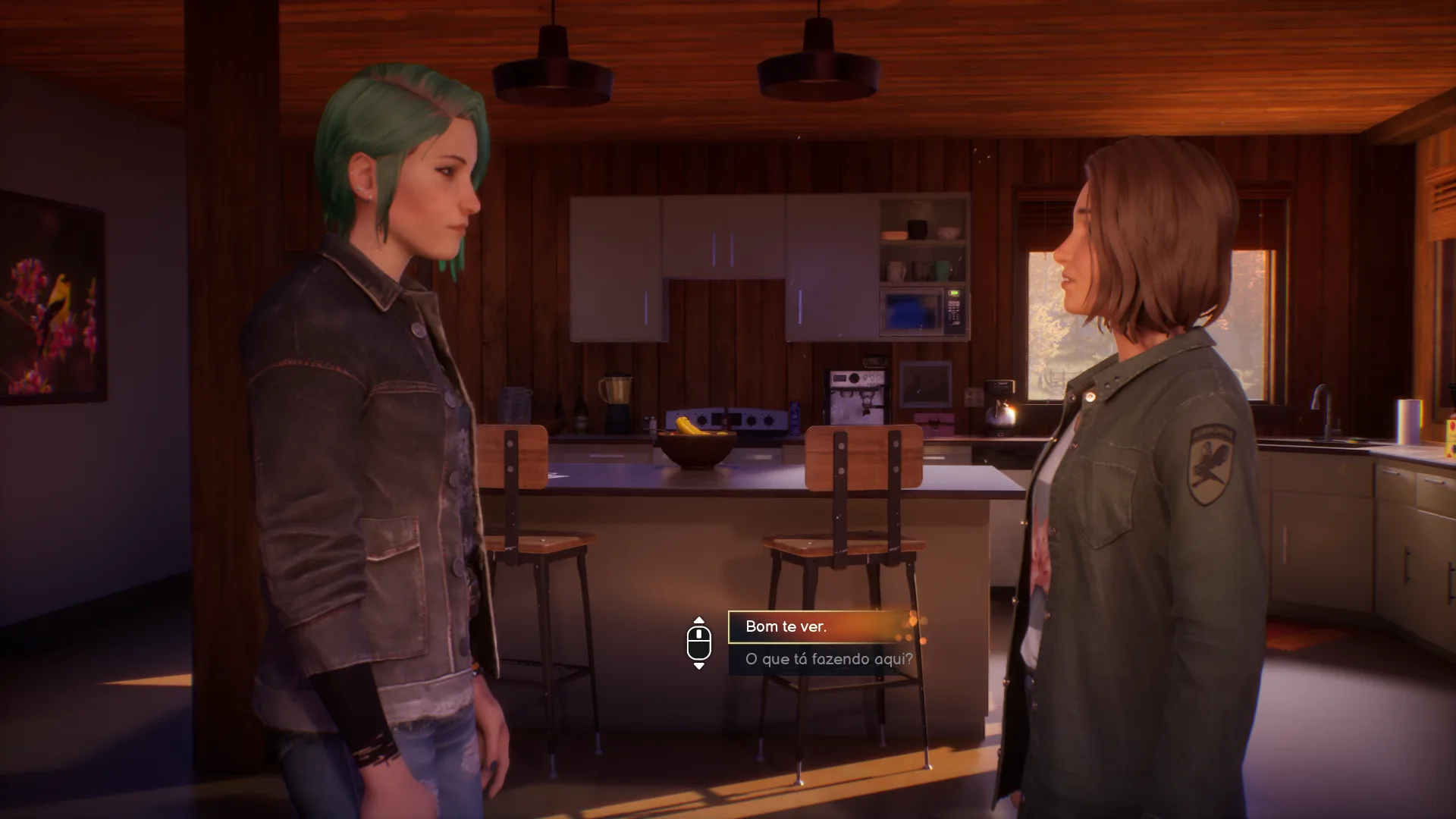
Then Chloe shows up—not as the rebellious teenager we knew, but as a woman in her twenties going through a full-blown existential crisis, in the most literal sense. The absurdly convenient reality merge from Double Exposure brings her back and overrides the player’s choice about her fate and Arcadia Bay back in 2015. Not only is she alive, but the town was never hit by a tornado. Joyce is alive, the Two Whales is right where it always was—and somehow Max and Chloe still ended up traveling around together.
And that raises the obvious question: if Chloe doesn’t remember the storm, why does she remember the bathroom? Why does she have visions of dying in Arcadia Bay? The more you see about it, the less sense it makes—unless you’re willing to hand-wave everything away with “multiverse blending.” If everything got merged, what does that mean for Rachel Amber? Is she alive and dead at the same time? And if so, are Mark Jefferson and Nathan Prescott just out there, free and committing crimes in Arcadia Bay?
Does anything matter? Who cares? Deck Nine certainly doesn’t.
Chloe’s fractured state is what brings her back to Max. Instead of just riding on the coattails of her friend/ex-girlfriend/potential girlfriend, she actually gets meaningful screen time as a playable character, saving Max more than once and proving far more useful than she ever was before. Her return feels like exactly what Max was missing—and vice versa—since Max never really recovered from losing her, whether through death or separation before the events of Double Exposure.
Even without the original voice actress—sadly, Ashly Burch is once again replaced by Rihanna DeVries—the performance works. Chloe still feels like Chloe (which honestly surprised me, since I didn’t like the change much in Before the Storm).
But what about everyone else?
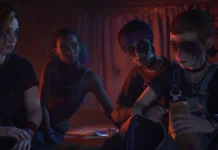
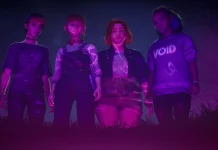
If Max and Chloe are clearly meant to end up together, what happens to the rest of the cast? Max’s flings like Amanda and Vinh? Safi, who was supposedly such a beloved friend that she pushed Max to use her powers again? The whole superpowered subplot involving them and Diamond?
It all gets shoved into the background. Safi, for instance, who had gone off on a “journey” to find others like them, comes back empty-handed—and even more empty-headed. There’s a late-game conversation—minor spoiler warning—where she tries to convince Chloe to leave with her, and it’s so absurd it’s almost funny. One moment she’s convinced their very existence is a cosmic mistake caused by Max; the next, she wants to explore the world with Chloe? One moment she sees her mother as manipulative and deceitful (fair enough), and a few scenes later they’re holding hands, gazing hopefully into the sunset? DON'T F00CK WITH ME, DECK NINE.
With no clear direction for its “X-Men” cast, the game just sidelines Diamond, who only shows up through messages and a final phone call that leaves her fate open. Moses is still the likable guy from the previous game, but without much depth—his boyfriend is barely present, and his character boils down to the “nice nerdy astronomer” stereotype. He does get some interaction with Chloe, but that relationship deserved more; you can easily imagine action scenes where they actually do something together instead of him just making plans in the observatory.
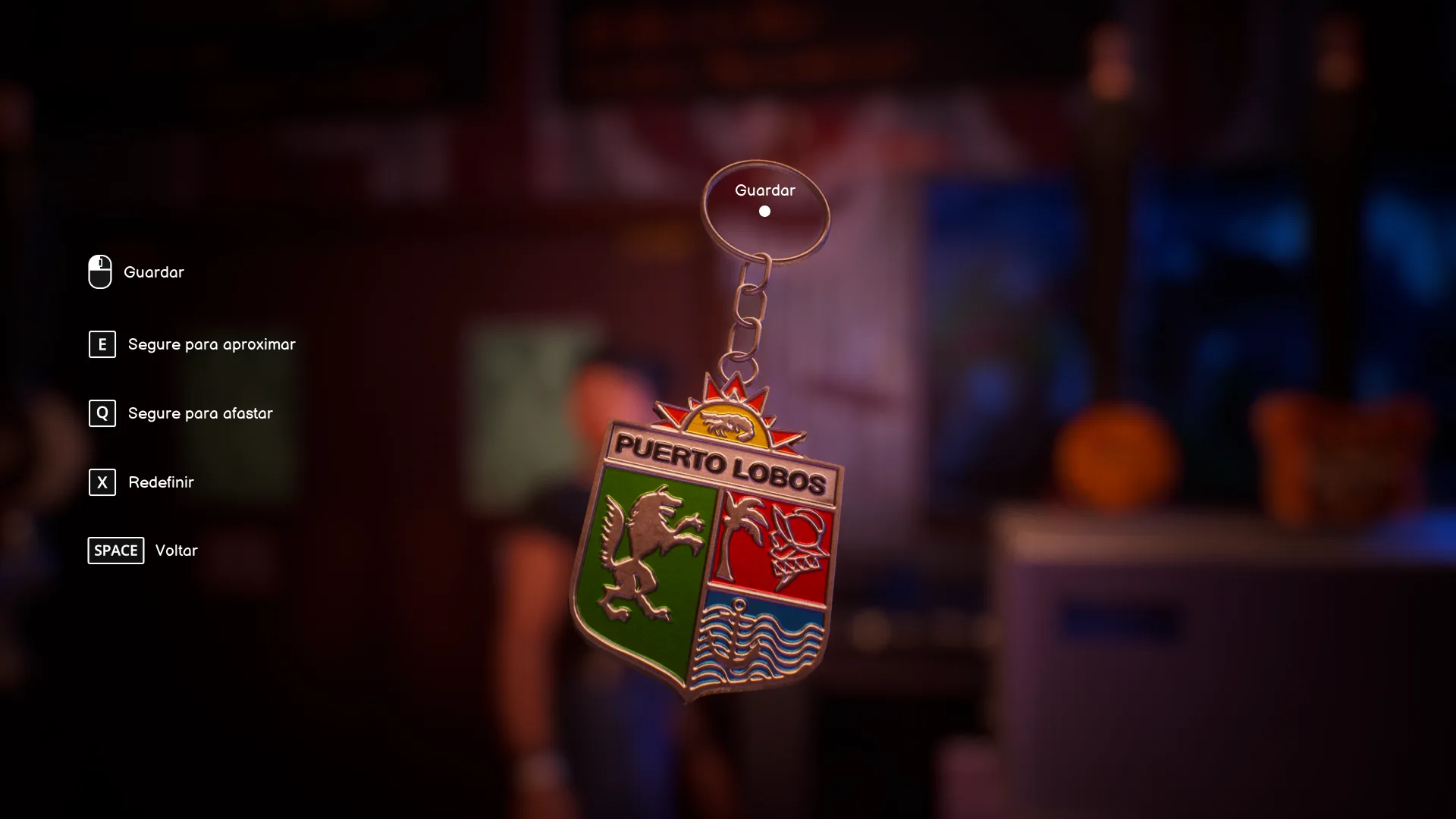
Not even small details, like the Diaz brothers’ keychain, manage to tie Reunion back into the broader series the way a proper finale should. Some legacy characters get brief mentions (a line about Steph and Mikey, a few images and messages from Joyce), while others are completely ignored. It’s as if David Madsen, Warren, Mark Jefferson, Rachel Amber, and Kate Marsh never existed. No contact, no nightmares, not even a throwaway joke. Nothing.
A mess of motivations and conveniences
The motivations are all over the place, as if the writers were desperate to turn half the cast into potential villains. In the end, some don’t make sense, and others don’t deserve the outcomes they get. Lucas, the annoying professor from Double Exposure—once just a pretentious writer dealing with a divorce—is suddenly a rebellious podcaster leading protests against the university. It doesn’t fit the character at all.
Former dean Yasmin, once portrayed as a distant, work-obsessed mother, is suddenly tied to a bizarre hidden crime from the past—and gets away with it because another character clears her name out of blind loyalty that never feels convincing. In one ending, that same character also avoids consequences for trying to destroy evidence and just goes off on a “long journey”—the laziest possible way to write someone out without resolving their arc.
And how does the observatory catch fire after you stop the two main suspects? A third character’s cigarette butt. So to justify multiple suspects, Deck Nine throws in three separate ignition sources for the same event.
It’s a mess. Plain and simple.
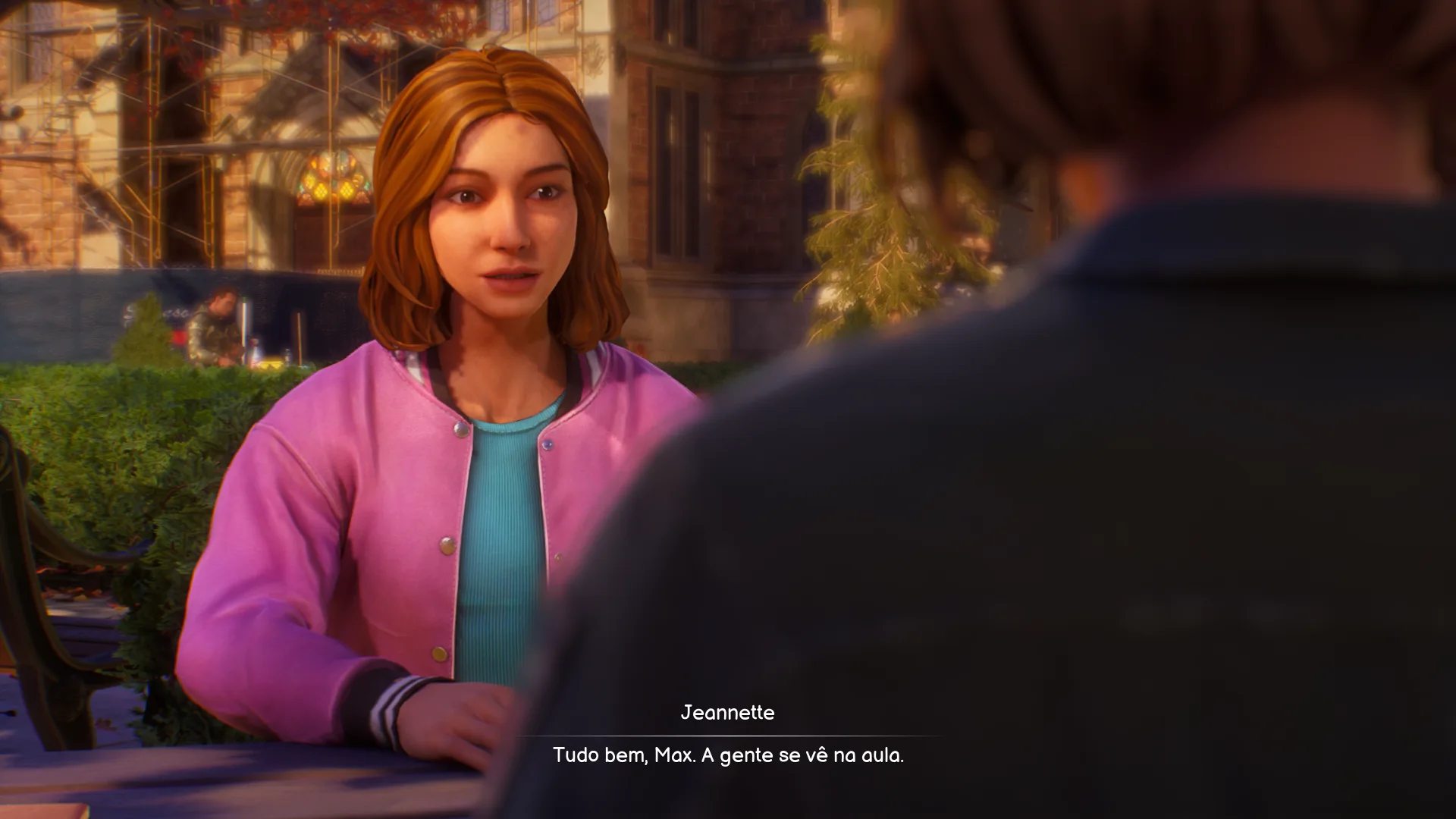
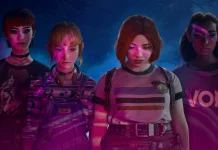
Technically, Reunion isn’t terrible, but it’s inconsistent. While the main characters look great, some of the side characters fall deep into uncanny valley territory. Jeannette, for example, looks off and has facial animations straight out of low-budget “realistic” robots. More than one character speaks with their teeth clenched. Even Max has moments where her facial expressions feel unnatural. I also ran into several minor glitches—flickering scenes, late-loading textures, the usual.
The soundtrack doesn’t help either—which has been a recurring issue in the series for a while now. Even bringing back two tracks from the original game during key moments (like Max and Chloe’s reunion, set to Sparklehorse) isn’t enough to save an otherwise bland indie selection dominated by female vocals. I honestly don’t get why they got so stuck on that narrow aesthetic.
Soap opera ending
It feels to me like Deck Nine never really understood Life is Strange. The series didn’t start as a “queer game” first and foremost; it wasn’t defined by same-sex romance, indie tracks with female vocals, or melodramatic, soap-opera endings. It was an open-ended narrative where you guided the protagonist through a handful of meaningful branching paths. Max could be straight, gay, or bi. Chloe could be a friend or a lover. Warren could be just a friend—or something more. Max could save a town and lose the person she loved, or save that person and lose the town. Like most good drama—and like life itself—there was no perfect ending.
If it were done well, maybe that would be fine. But it isn’t. In a clear callback to the original ending, Chloe ends up with the photo that would allow Max to fix everything. In one ending, it’s implied that Max enters the photo and disappears from Chloe’s life. That directly contradicts the established rules, where entering a photo always leaves another version of Max behind.
And of course, Max gives up her stable life at Caledon and hits the road with Chloe, becoming a tour photographer for the mediocre band Drugstore Makeup, playing in sketchy venues—even though Chloe herself recognizes that Max had actually built something there, while she hadn’t gained much from the whole drifting, bar-hopping lifestyle. All of this in the name of a youthful romance between two women near thirty. Great character arc, Deck Nine...
I get that most Life is Strange players are young. A lot of them don’t care if the ending makes sense as long as it’s happy. But I can’t ignore the flaws in what could have been the definitive conclusion to a series that once stood as one of the best—if not the best—interactive narratives in gaming.
Maybe this was inevitable. The story was never meant to continue. The original creators made it clear the narrative was complete—even going so far as to reinforce that in Life is Strange 2, with that brilliant moment where Brody looks at Arcadia Bay and says, “That’s... the past.” The comics, while officially licensed, aren’t canon.
Whether you see it as an “official fan game” or not, Reunion will probably appeal to players who want a happy ending at any cost. In the roughly twelve hours it took me to finish it, I didn’t feel any of the emotions that defined the series—moments like finding Chloe disabled, Kate on the rooftop, or the final choice itself. And if I, after playing the entire series, felt nothing, I can’t imagine newcomers will feel much either.
Pros
- Chloe evolves as a character
Cons
- Weak story
- Excessive narrative convenience
- No gameplay evolution